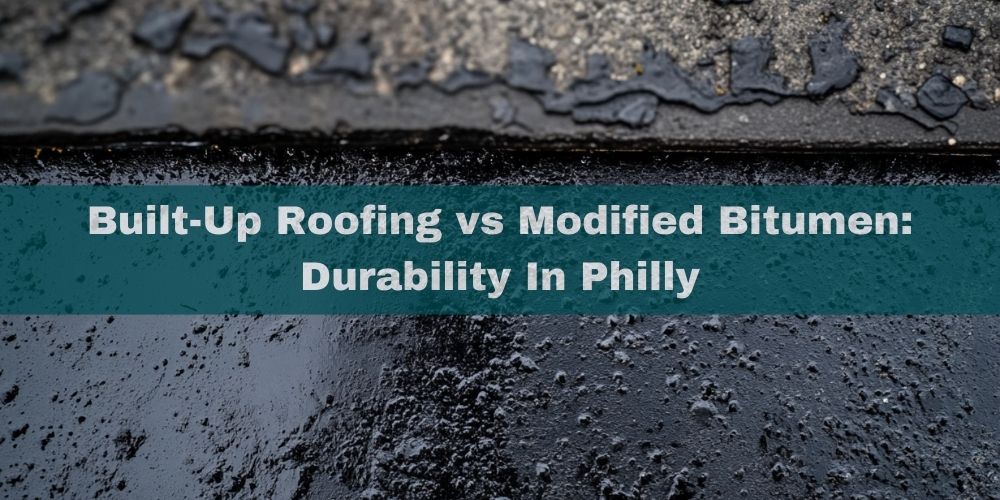
In Philadelphia, Pennsylvania, modified bitumen roofing is generally more durable than built-up roofing due to its adaptability to the city’s temperature fluctuations and superior resistance to UV radiation. Philadelphia’s climate, characterized by hot summers and cold winters, demands roofing materials that can withstand rapid temperature changes and potential UV damage. Modified bitumen membranes offer enhanced flexibility during freeze-thaw cycles, reducing the risk of cracking and leaks that can plague built-up roofing systems, which are more susceptible to weather-induced wear and tear. For commercial building owners and facility managers in Philadelphia, selecting a durable roofing system is essential for minimizing maintenance costs and prolonging roof life. In this blog, we’ll explore the key durability factors of built-up and modified bitumen roofing, compare how each performs in Philadelphia’ climate, and provide expert recommendations to help you make a well-informed choice for your building’s roofing needs.
What Are the Key Differences Between Built-Up Roofing and Modified Bitumen?
Built-Up Roofing (BUR) consists of alternating layers of bitumen and reinforcing fabrics, while Modified Bitumen is an evolution of BUR that incorporates polymer modifiers. BUR is a traditional, asphalt-based roofing made for robust durability, whereas Modified Bitumen offers greater flexibility and is better suited for extreme temperature variations.
To understand the critical differences between these two roofing systems, consider the following aspects:
- Installation Method: BUR uses multiple layered applications, often with hot tar.
- Material Composition: Modified Bitumen incorporates polymers enhancing flexibility.
- Cost Implications: BUR usually involves higher labor costs due to complexity.
- Durability Factors: Modified Bitumen is better for temperature fluctuations.
- Maintenance Needs: BUR may require more frequent inspections.
1. Installation Method: BUR uses multiple layered applications, often with hot tar.
The installation of Built-Up Roofing typically involves multiple layers of bitumen alternating with fabric, applied using hot tar or asphalt. This method creates a durable and seamless roof but can be labor-intensive and requires skilled workers. Modified Bitumen, in contrast, often uses fewer layers and does not always require hot application, simplifying installation. Installers of Modified Bitumen roofs frequently use torches or self-adhering systems, making the process more straightforward and less hazardous.
2. Material Composition: Modified Bitumen incorporates polymers enhancing flexibility.
Modified Bitumen is essentially BUR but with added polymer modifiers like SBS or APP, which enhance elasticity. By including these polymers, the material becomes more adaptable to temperature changes and less prone to cracking. In comparison, traditional BUR relies more on the natural properties of asphalt and multiple layers for performance. This distinction is particularly important in regions with broad temperature shifts.
3. Cost Implications: BUR usually involves higher labor costs due to complexity.
The labor-intensive nature of BUR installation typically results in higher upfront costs. This is due to the need for expertise in handling hot asphalt and creating multiple protective layers. On the other hand, Modified Bitumen may have a higher material cost due to the polymers but often saves on labor because it's easier to install. Building owners must weigh these factors in choosing the most cost-effective solution long-term.
4. Durability Factors: Modified Bitumen is better for temperature fluctuations.
Modified Bitumen roofing systems are designed to handle thermal movement better than BUR. The polymers in Modified Bitumen give it flexibility and resilience against temperature-driven expansion and contraction. Although BUR is highly durable against external factors such as foot traffic and weather, it is more prone to issues arising from thermal stress. This makes Modified Bitumen a preferred choice in climates with temperature extremes.
5. Maintenance Needs: BUR may require more frequent inspections.
Builtin layers and asphalt-based composition of BUR necessitate regular inspections and maintenance. Due to potential issues such as blistering, pooling, or leaks at seams, BUR roofs might require ongoing vigilance. Modified Bitumen, with its fewer seams and improved waterproofing abilities, often encounters fewer issues over time. Nevertheless, regular maintenance is crucial for both to ensure optimal long-term performance.
Have a question about an upcoming project?
How Does Each Roofing Material Perform in Philadelphia's Climate?
Philadelphia’s climate presents unique challenges for commercial roofing, requiring materials that can endure extreme temperature shifts, withstand heavy precipitation, and provide long-term durability. With hot, humid summers and cold, snowy winters, roofing systems must resist thermal expansion, freeze-thaw cycles, and moisture infiltration to maintain their structural integrity over time. Both Built-Up Roofing (BUR) and Modified Bitumen are widely used in Philadelphia, but how do they compare in terms of durability?
Built-Up Roofing (BUR) has been a trusted option for over a century due to its multi-layer protection and resilience against water infiltration. Constructed with alternating layers of bitumen and reinforcing fabrics, BUR creates a thick, durable membrane that is highly resistant to punctures and foot traffic. In Philadelphia, where temperature extremes can cause materials to expand and contract, BUR’s layered composition helps prevent cracking and premature deterioration. Additionally, its gravel or reflective coating enhances UV resistance, reducing heat absorption and extending the roof's lifespan. However, BUR installations require meticulous workmanship, and the material can be heavier than other options, necessitating proper structural support.
Modified Bitumen Roofing, an evolution of BUR, offers enhanced flexibility and weather resistance, making it particularly suited for Philadelphia’s climate. Its composition, which includes rubber or plastic modifiers, allows it to adapt to temperature fluctuations without becoming brittle in the winter or overly soft in extreme heat. This elasticity helps prevent cracking and splitting, which are common issues with rigid materials exposed to repeated freeze-thaw cycles. Additionally, modified bitumen is typically applied in multiple layers, reinforcing its durability and waterproofing properties. Many installations also feature heat-welded or adhesive-based seams, reducing the likelihood of leaks compared to traditional BUR systems.
When comparing durability, both systems offer strong moisture resistance, excellent longevity, and protection against environmental wear. BUR excels in long-term waterproofing and impact resistance, making it ideal for high-traffic roofs. Modified Bitumen, on the other hand, performs better in extreme temperature variations due to its flexibility and enhanced seam integrity. For Philadelphia businesses, the choice between these two depends on specific roofing needs, budget, and maintenance preferences.
By understanding the strengths and limitations of BUR and Modified Bitumen, commercial property owners can make informed decisions about the best roofing system to handle Philadelphia’s demanding climate while ensuring long-term durability and cost-effectiveness.
Which Roofing Option Offers the Best Long-Term Durability for Commercial Buildings?
How Do Built-Up Roofing and Modified Bitumen Compare in Terms of Durability in Philadelphia?
For commercial buildings in Philadelphia, durability is a critical factor when selecting a roofing system. The city’s hot summers, cold winters, and frequent precipitation demand materials that can withstand temperature fluctuations, moisture exposure, and structural stress over time. Built-Up Roofing (BUR) and Modified Bitumen are two of the most widely used roofing systems for flat or low-slope commercial buildings, but which one offers the best durability?
Built-Up Roofing (BUR) is known for its multi-layered construction, consisting of alternating layers of bitumen and reinforcing fabrics. This structure provides exceptional waterproofing and resistance to foot traffic, making it a strong choice for high-traffic rooftops. BUR’s gravel or reflective top layer also enhances UV resistance, which is particularly beneficial during Philadelphia’s hot summers. However, BUR roofs tend to be heavier, requiring a structurally sound building to support their weight, and installation can be labor-intensive.
Modified Bitumen, on the other hand, is engineered for greater flexibility, making it highly resistant to cracking and splitting caused by freeze-thaw cycles. Unlike BUR, which relies on multiple layers for durability, modified bitumen incorporates rubber or plastic modifiers, allowing it to expand and contract with temperature changes. This makes it particularly effective for Philadelphia’s unpredictable seasonal shifts, where rapid temperature drops in the winter can cause other materials to become brittle. Additionally, modified bitumen roofs are typically installed with heat-welded or adhesive-based seams, improving their resistance to leaks and water penetration.
When it comes to weather resistance, both systems perform well in Philadelphia’s climate, but their strengths differ. BUR is highly impact-resistant, making it better suited for roofs that experience frequent foot traffic or exposure to debris. Modified bitumen, however, has superior flexibility and seam strength, reducing the risk of cracks and leaks during extreme weather conditions.
For businesses looking for a highly durable roofing solution in Philadelphia, both BUR and modified bitumen offer long-lasting protection. BUR excels in waterproofing and heavy-duty durability, while modified bitumen provides enhanced flexibility and ease of maintenance. The best choice ultimately depends on the specific needs of the building, budget considerations, and expected roof usage.
By carefully evaluating the durability factors of each system, commercial property owners in Philadelphia can make an informed decision that ensures long-term roof performance, reduced maintenance costs, and maximum protection against the elements.
If you're interested in learning more about commercial built-up roofing or commercial modified bitumen roofing for your business, please use our contact form to get in touch. Our knowledgeable team at Commercial Roofing Philadelphia is ready to provide you with the information you need to make the best decision for your roofing needs.