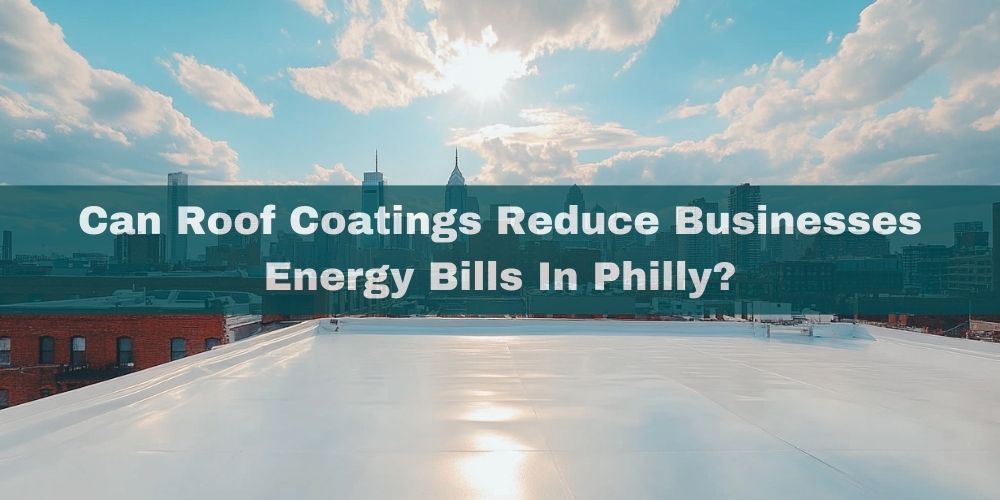
In Philadelphia, Pennsylvania, a roof coating can indeed help reduce energy bills for businesses by reflecting sunlight and decreasing indoor cooling demands, especially during the hot summer months. Philadelphia's diverse climate, with its hot, humid summers, amplifies the cooling load on commercial buildings, making reflective roof coatings a strategic solution for energy conservation. These coatings not only enhance energy efficiency by lowering air conditioning usage but also extend the roof's lifespan by protecting it from UV damage and thermal cycling. For commercial building owners and facility managers in Philadelphia, understanding how roof coatings can reduce energy costs is vital for smart budgeting and enhancing building performance. In this blog, we’ll delve into the benefits of roof coatings, explore their energy-saving potential, and discuss strategic applications for maximizing value in Philadelphia's climate.
What Are the Benefits of Roof Coatings for Commercial Properties?
Roof coatings provide enhanced protection, energy efficiency, and longevity for commercial roofing systems. They create a seamless barrier that helps prevent leaks, reflects UV rays to reduce cooling costs, and extends the life of the roof. Businesses can reduce maintenance efforts, improve environmental footprint, and maximize their roofing investment.
Here are some of the most important benefits of roof coatings for commercial properties:
- Leak Prevention: Seamless barrier effectively minimizes water infiltration and potential damage.
- Energy Efficiency: Reflects UV rays to lower cooling costs and improve building comfort.
- Longevity Extension: Extends the roof's life, delaying costly replacements and repairs.
- Environmental Impact: Reduces waste and contributes to sustainability by preserving existing roofing materials.
- Cost-Effectiveness: Minimizes maintenance expenses and reduces overall lifecycle costs.
1. Leak Prevention: Seamless barrier effectively minimizes water infiltration and potential damage.
A roof coating forms a seamless, waterproof layer over the roof surface. By covering any cracks or seams, the coating prevents water from seeping into the building structure. This is particularly beneficial for commercial properties, where water damage can disrupt operations and incur significant repair costs. In addition to preventing leaks, roof coatings reduce the risk of mold and mildew growth, which can be health hazards for employees and customers. This proactive measure saves time and money in the long term by avoiding extensive water-related repairs.
2. Energy Efficiency: Reflects UV rays to lower cooling costs and improve building comfort.
Roof coatings typically include reflective elements that bounce sunlight away from the building. This capability reduces heat absorption and, in turn, decreases the energy required for cooling systems, especially during hot months. For commercial properties, this can translate into significant financial savings on energy bills. Moreover, maintaining more consistent indoor temperatures can enhance occupant comfort, improving productivity in work environments and creating a pleasant experience for customers and visitors.
3. Longevity Extension: Extends the roof's life, delaying costly replacements and repairs.
Roof coatings protect underlying materials from wear and weather elements, thereby extending their lifespan. For commercial property owners, a longer-lasting roof means fewer disruptions and reduced need for premature replacement. This advantage is crucial in maintaining uninterrupted business operations while safeguarding budget allocations. The typical roof lifespan can be extended by several years with the application of a coating, ensuring a more sustainable investment in the property's infrastructure.
4. Environmental Impact: Reduces waste and contributes to sustainability by preserving existing roofing materials.
Applying a roof coating revitalizes the existing roof, avoiding the need for total replacement. This approach conserves materials and reduces landfill waste, aligning with corporate sustainability goals. Environmental considerations are becoming increasingly important in commercial operations, both for regulatory compliance and brand reputation. By opting for roof coatings, businesses demonstrate an environmentally responsible choice, appealing to eco-conscious clients and stakeholders.
5. Cost-Effectiveness: Minimizes maintenance expenses and reduces overall lifecycle costs.
Prospective savings from decreased energy use, extended roof life, and fewer repairs contribute to cost-effectiveness. For commercial properties, managing expenses is vital to maximizing profitability and planning for future investments. By decreasing operating costs associated with roof maintenance, businesses can allocate resources to other growth areas. Moreover, some roof coatings may qualify for energy efficiency rebates or incentives, providing an additional financial advantage for property owners.
Have a question about an upcoming project?
How Do Roof Coatings Impact Energy Efficiency for Philadelphia Businesses?
Roof coatings improve energy efficiency by reflecting sunlight, reducing heat absorption, and cutting energy costs. In Philadelphia, businesses can significantly benefit from applying roof coatings, which help maintain indoor temperatures by reflecting intense sunlight. This not only lowers utility costs but also extends the lifespan of the roof by reducing thermal stress.
- Reflective Properties: Reduce heat gain by reflecting a majority of UV rays.
- Energy Cost Reduction: Decrease air conditioning costs during peak summer months.
- Prolonged Roof Lifespan: Protects against thermal expansion and contraction.
- Environmentally Friendly: Minimizes urban heat island effect in Philadelphia.
- Reduced Carbon Footprint: Decreases overall energy consumption and greenhouse gas emissions.
1. Reflective Properties: Reduce heat gain by reflecting a majority of UV rays.
Reflective properties are the ability of a roof coating to reflect sunlight and UV rays. By reflecting the sun's heat, roof coatings significantly reduce the surface temperature of roofs in Philadelphia. This reflection decreases the heat load inside buildings, ensuring cooler indoor environments even during hot summer days. Consequently, these coatings enhance energy efficiency by lowering the demand for air conditioning, helping businesses save on energy bills, and promoting a more sustainable urban environment.
2. Energy Cost Reduction: Decrease air conditioning costs during peak summer months.
Roof coatings decrease energy expenditures by reflecting heat and lowering air conditioning demand. In Philadelphia, where summer temperatures can soar, businesses utilizing reflective roof coatings experience lower cooling costs. By reducing the amount of heat entering the building, these coatings help maintain cooler indoor conditions. Such reductions in cooling demands translate to reduced utility costs, thus offering substantial yearly savings for commercial establishments.
3. Prolonged Roof Lifespan: Protects against thermal expansion and contraction.
A prolonged roof lifespan denotes an extended period before roof repairs or replacement are needed. Roof coatings protect the roof surface from thermal-related wear and tear, a common issue in fluctuating climates like Philadelphia's. By minimizing temperature-induced stress, the coatings extend the durability and lifespan of roofing materials. This prolongation of roof lifespan results in fewer maintenance interventions and lower long-term costs for Philadelphia businesses.
4. Environmentally Friendly: Minimizes urban heat island effect in Philadelphia.
An environmentally friendly roof coating contributes to cooler city conditions by reflecting solar heat. By lowering individual building temperatures, roof coatings help reduce the urban heat island effect in Philadelphia. This environmental impact is crucial in densely populated areas where heat retention exacerbates climate challenges. A widespread adoption of reflective coatings across the city can lead to overall reduced temperatures, improved air quality, and enhanced urban living conditions.
5. Reduced Carbon Footprint: Decreases overall energy consumption and greenhouse gas emissions.
A reduced carbon footprint reflects a lower environmental impact through decreased energy use. Implementing reflective roof coatings decreases a building's reliance on HVAC systems, thereby reducing energy consumption. This drop in energy use directly impacts the carbon emissions associated with electricity production. Philadelphia businesses that invest in such coatings can contribute to broader sustainability goals by lowering their carbon footprint and promoting cleaner environmental practices.
What Should Philadelphia Businesses Consider When Choosing a Roof Coating?
Philadelphia businesses should consider the climate, roof material compatibility, durability, energy efficiency, and cost when selecting a roof coating. Given Philadelphia's varied climate, a roof coating that can handle both harsh winters and hot summers is essential. Evaluating these factors helps businesses ensure that the roof coating provides long-term protection and cost savings.
To make an informed decision on roof coatings, Philadelphia businesses should consider the following factors:
- Climate Suitability: Adapts to Philadelphia's cold winters and humid summers effectively.
- Material Compatibility: Works well with existing roofing materials like EPDM, TPO, or metal.
- Durability: Offers long-term protection against wear and environmental damage.
- Energy Efficiency: Helps in reducing energy costs by reflecting solar heat.
- Cost-effectiveness: Balances initial investment with long-term maintenance savings.
1. Climate Suitability: Adapts to Philadelphia's cold winters and humid summers effectively.
Climate suitability refers to how well a roof coating can withstand the local weather conditions. A roof coating that adapts to Philadelphia's diverse climate can provide adequate protection throughout the year. Proper climate adaptability ensures that the coating will not crack or degrade during cold spells or hot, humid periods. Considering Philadelphia's weather patterns, businesses should look for coatings that offer flexibility and resistance to thermal shock. This ensures that the coating maintains its protective qualities year-round, reducing the risk of leaks or damage.
2. Material Compatibility: Works well with existing roofing materials like EPDM, TPO, or metal.
Material compatibility refers to the roof coating's ability to adhere and function with the existing roof type. In Philadelphia, businesses typically use roofing materials such as EPDM, TPO, or metal. Ensuring that the chosen roof coating is compatible with these materials is crucial for effective performance. A compatible roof coating enhances the existing material's strengths and mitigates its weaknesses, offering better protection and longevity. This kind of strategic selection prevents unnecessary expenditures on incompatible coatings that might require early replacement.
3. Durability: Offers long-term protection against wear and environmental damage.
Durability concerns the roof coating's ability to withstand physical damage and prevent deterioration over time. For Philadelphia businesses, a durable roof coating ensures that the structure remains intact despite adverse weather conditions, such as snow accumulation or intense sunlight. Durable coatings reduce the frequency of repairs and extend the life of the roof. This makes durability an essential consideration for any business aiming to maximize roof longevity and minimize disruption to operations due to repairs.
4. Energy Efficiency: Helps in reducing energy costs by reflecting solar heat.
Energy efficiency involves how well a roof coating can reflect solar rays, reducing heat absorption. Reflective coatings can be particularly beneficial in Philadelphia's hot summers, keeping buildings cooler and decreasing reliance on air conditioning. This not only lowers energy bills but also reduces the environmental impact of the business. Choosing energy-efficient coatings contributes to a building’s overall sustainability. It can also make a business eligible for certain tax incentives or rebates related to energy conservation improvements.
5. Cost-effectiveness: Balances initial investment with long-term maintenance savings.
Cost-effectiveness measures the economic balance between the price of the coating and the savings on future maintenance. In Philadelphia, companies must weigh the upfront costs against the potential savings that come from reduced repair needs and lower utility bills. A cost-effective roof coating might have a higher initial price but offers superior long-term savings. By considering cost-effectiveness, businesses ensure that their investment in roof coatings is financially prudent. Analyzing the lifecycle costs can reveal hidden savings that result from selecting a high-quality, resilient roof coating solution.
Investing in a roof coating can be a cost-effective strategy for Philadelphia businesses aiming to reduce energy bills and prolong the lifespan of their roofing systems. By incorporating energy-efficient roofing Philadelphia solutions, such as high-performance roof coatings, businesses can enjoy significant commercial roof coatings cost savings and enhanced environmental sustainability. These coatings not only provide superior weather resistance and extend the life of your roof but also contribute to a more energy-efficient building by reflecting heat away and reducing cooling costs.
If you are interested in exploring how roof coatings can benefit your business or need a consultation on the best options available, we encourage you to contact us through our contact form. Our expert team at Commercial Roofing Philadelphia is here to provide you with tailored solutions that meet your specific needs and ensure your investment delivers long-term savings and performance.