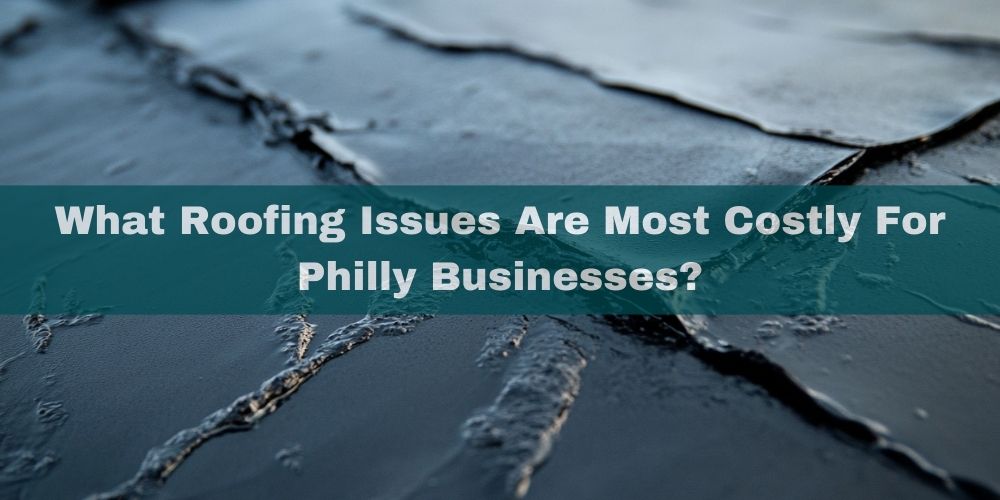
Among the most expensive roofing problems for businesses in Philadelphia is water damage caused by leaks. Persistent exposure to heavy rainfall and snowfall makes commercial roofs especially vulnerable when maintenance is neglected. Once moisture infiltrates the roofing system, it can lead to structural deterioration, interior damage, and mold growth, all of which result in costly repairs and potential operational disruptions. Poor drainage systems further exacerbate the issue, allowing water to pool and accelerate roof degradation.
Another significant concern for businesses in Philadelphia is poor insulation, which directly impacts energy efficiency. The city’s fluctuating temperatures, from sweltering summers to freezing winters, put immense strain on heating and cooling systems. When a roof lacks proper insulation, businesses face higher energy costs, as HVAC systems must work harder to maintain indoor temperatures. Over time, these increased energy expenses can add up, making insulation issues a long-term financial burden.
Storm damage is another common and costly roofing issue in Philadelphia. Strong winds, torrential rain, and the occasional Nor’easter can tear roofing materials, loosen flashing, and cause structural weaknesses. When roofing components are compromised, businesses may experience leaks, interior water damage, and the need for urgent repairs. Additionally, flying debris and foot traffic on commercial rooftops can lead to roof punctures, which weaken the roofing membrane and make it more susceptible to future leaks and deterioration.
One of the most preventable yet highly expensive roofing issues is lack of maintenance. Many businesses put off regular inspections, allowing minor issues to escalate into major, costly problems. Neglected roofs are more likely to develop undetected leaks, insulation failures, and material degradation, all of which shorten the roof’s lifespan and lead to unexpected financial strain. Routine inspections and proactive maintenance are critical to avoiding premature replacements and costly emergency repairs.
For Philadelphia business owners and facility managers, recognizing these common and costly roofing problems is essential for protecting their investment and minimizing expenses. In this article, we will explore the most frequent commercial roofing issues in Philadelphia, their causes, and the most effective ways to prevent them, ensuring businesses remain protected against avoidable financial setbacks.
What Are the Most Common Roofing Problems Faced by Philadelphia Businesses?
Philadelphia businesses often experience roofing issues such as leaks, poor insulation, and storm damage. Weather variations and aging infrastructure contribute significantly to these problems, causing challenges for commercial properties. Regular inspection and maintenance are vital to mitigate these issues effectively.
Here is a list of the most common roofing problems encountered by businesses in Philadelphia:
- Water Leaks: Frequent due to heavy rains and poor drainage systems.
- Poor Insulation: Leads to increased energy costs during Philadelphia's varying seasons.
- Storm Damage: Storms and heavy winds often damage roofing materials.
- Roof Punctures: Debris and foot traffic contribute significantly to this issue.
- Poor Maintenance: Results in accelerated wear and tear and potential costly repairs.
1. Water Leaks: Frequent due to heavy rains and poor drainage systems.
Water leaks occur when rainwater penetrates the roofing system, often due to inadequate drainage or damaged materials. In Philadelphia, frequent rains combined with aged infrastructure often lead to leaks in commercial roofs. Addressing water leaks promptly is crucial as they can escalate to severe structural damage and mold issues if neglected. Regular maintenance and inspection help in identifying and fixing potential weak points in the roofing structure to prevent leaks.
2. Poor Insulation: Leads to increased energy costs during Philadelphia's varying seasons.
Poor insulation in roofs leads to uncontrolled temperature exchanges, increasing the building's energy consumption. This issue is prevalent in Philadelphia due to the city's cold winters and hot summers, which test a roof’s thermal efficiency. Enhancing insulation not only cuts energy costs but also improves indoor comfort, making it vital for businesses aiming for energy efficiency and cost-effectiveness.
3. Storm Damage: Storms and heavy winds often damage roofing materials.
Storm damage includes anything from ripping off roofing materials to causing structural harm due to high winds. Philadelphia's weather can be unpredictable, with occasional storms that significantly impact roof integrity. Investing in durable roofing materials and professional storm damage assessments is essential to mitigate risks and sustain business operations during extreme weather conditions.
4. Roof Punctures: Debris and foot traffic contribute significantly to this issue.
Punctures occur when sharp objects or heavy pressure are applied to the roofing surface, causing holes. This problem is often heightened in Philadelphia due to debris from surrounding environments and regular maintenance activities. Proactive measures such as installing protective materials and instituting controlled access to the roofing area can minimize puncture risks and prolong the roof's lifespan.
5. Poor Maintenance: Results in accelerated wear and tear and potential costly repairs.
Poor maintenance occurs when routine inspections and necessary repairs are neglected over time. Many Philadelphia businesses may overlook regular roof maintenance, leading to exacerbated damage and higher repair costs. Arranging for regular roof maintenance schedules can identify minor issues before they develop into major problems, ensuring the longevity and efficiency of the roofing system.
Have a question about an upcoming project?
How Can These Roofing Issues Impact Your Business Financially?
Roofing issues can significantly increase operational costs and disrupt business activities. These issues often lead to expensive repair bills, potential damage to inventory, and even periods of business downtime, all of which directly affect your bottom line. Addressing roofing concerns promptly is critical to minimizing these financial impacts and ensuring business continuity.
Here are the most crucial ways roofing issues can affect your business financially:
- Repair Costs: Outlays for fixing leaks and structural damage can surge unexpectedly.
- Downtime Losses: Business operations may halt, reducing revenue flow during repairs.
- Inventory Damage: Leaks can destroy goods, leading to replacement costs and lost sales.
- Energy Bills Increase: Ineffective roofing can cause higher heating and cooling expenses.
- Insurance Premiums Rise: Poor roof maintenance might increase your insurance costs.
1. Repair Costs: Outlays for fixing leaks and structural damage can surge unexpectedly.
Repair costs refer to the expenses incurred to fix damages on your roof. Frequent or unexpected repairs can lead to financial strain as they often require immediate attention. If not addressed quickly, minor roofing issues can escalate, resulting in higher repair bills. Being proactive in routine maintenance can help identify small issues before they become costly repairs, ultimately saving your business significant amounts of money. Regular inspections, coupled with timely repairs, can extend your roof's lifespan, postponing the need for a full replacement.
2. Downtime Losses: Business operations may halt, reducing revenue flow during repairs.
Downtime losses occur when business activities are disrupted due to roofing issues. Roofing problems often necessitate repairs that can temporarily close parts of your facility. This closure impacts productivity and revenue, particularly if your operations rely on continuous workflow. By having a reliable roofing system, you can prevent these operational halts, maintain consistent customer service, and protect your business reputation. Additionally, planning repairs during off-peak hours can mitigate impacts on your usual business operations.
3. Inventory Damage: Leaks can destroy goods, leading to replacement costs and lost sales.
Inventory damage results from roofing leaks that affect products stored within the facility. Water intrusion caused by roof leaks can result in significant damage to goods, leading to financial loss. This not only incurs replacement costs but can also disrupt supply chains and affect sales. Ensuring your roofing system is well-maintained helps shield your inventory from potential water damage. Investing in quality materials and regular inspections plays a crucial role in sustaining your stock levels and preventing unexpected setbacks.
4. Energy Bills Increase: Ineffective roofing can cause higher heating and cooling expenses.
Higher energy bills arise from inefficient roofing systems that fail to regulate building temperature. Poor insulation or damaged roofing can lead to temperature imbalances, forcing HVAC systems to work harder. This increase in energy consumption is directly reflected in your business's operational costs. Investing in energy-efficient roofing materials, like reflective coatings, can significantly reduce energy costs. By improving roof insulation, businesses can achieve better temperature control and sustainability targets.
5. Insurance Premiums Rise: Poor roof maintenance might increase your insurance costs.
Insurance premiums may escalate due to increased risk factors associated with roofing issues. Insurance companies might charge higher premiums if they determine that poor roof conditions elevate the risk of claims. Ensuring your roof remains in optimal condition can help negotiate better insurance terms. Regular maintenance and timely repairs demonstrate proactive risk management, which can be favorable in insurance assessments. This proactive approach not only deters premium increases but also ensures continued coverage without surprises.
What Steps Can You Take to Prevent Costly Roofing Problems?
Regular inspections and maintenance are key to preventing expensive roofing issues. Addressing small problems before they escalate saves money in the long run and extends the lifespan of your roof.
Implement the following steps to ensure your roof remains in optimal condition and avoid costly repairs:
- Schedule Regular Roof Inspections: Identify potential issues early.
- Maintain Gutters and Downspouts: Prevent water accumulation and damage.
- Address Minor Repairs Promptly: Stop minor issues from becoming costly repairs.
- Trim Overhanging Trees: Prevent branches from damaging the roof.
1. Schedule Regular Roof Inspections: Identify potential issues early.
Regular inspections involve assessing your roof's condition to spot damage or wear. This proactive measure helps catch problems early before they become significant issues. Engaging with professional roof inspectors ensures thorough evaluations and proper maintenance guidance. Regular inspections can also prolong the life of your roof by allowing timely repairs. Furthermore, building a relationship with a trusted professional can provide peace of mind regarding the state of your roof.
2. Maintain Gutters and Downspouts: Prevent water accumulation and damage.
Keeping your gutters and downspouts clear ensures that water is properly directed away from your roof. Blocked gutters can lead to water pooling, which can cause leaks and structural damage. Regular cleaning prevents clogs and ensures that rainwater flows efficiently. Moreover, gutter maintenance helps in avoiding ice dam formation during colder months. This preventive measure is crucial for maintaining the integrity of the roofing system.
3. Address Minor Repairs Promptly: Stop minor issues from becoming costly repairs.
Tackling small repairs as soon as they arise prevents them from growing into larger, more expensive problems. This approach maintains your roof’s functionality and prevents extensive damage. Delaying repairs can lead to water ingress, mold, and structural deterioration. Therefore, it's cost-effective to repair issues like cracked tiles or minor leaks immediately. This practice not only saves money but also extends the life of your roof through proactive care.
4. Trim Overhanging Trees: Prevent branches from damaging the roof.
Trimming tree branches that hang over your roof prevents them from causing physical damage. Falling branches can break tiles and create entry points for water. Regular pruning minimizes the risk of storm-related damage and debris accumulation. Additionally, keeping trees well-trimmed helps maintain roof cleanliness by reducing the amount of leaves and twigs landing on the roof. This simple step is vital for protecting the structural integrity of your roofing system.
In conclusion, understanding and addressing commercial roof problems Philadelphia businesses face is crucial for safeguarding your investment and ensuring the longevity of your roofing system. By implementing a comprehensive roof maintenance checklist, businesses can identify potential issues early, avoid costly repairs, and maintain the structural integrity of their building. Regular inspections, timely repairs, and preventive measures are key strategies to mitigate financial risks associated with roof damages and extend the life of your commercial roof.
If you're interested in learning more about maintaining your commercial roof or need expert assistance with repairs, don't hesitate to reach out to us through our contact form. Our team at Commercial Roofing Philadelphia is ready to provide tailored solutions and support to help your business thrive with a reliable roofing system.